
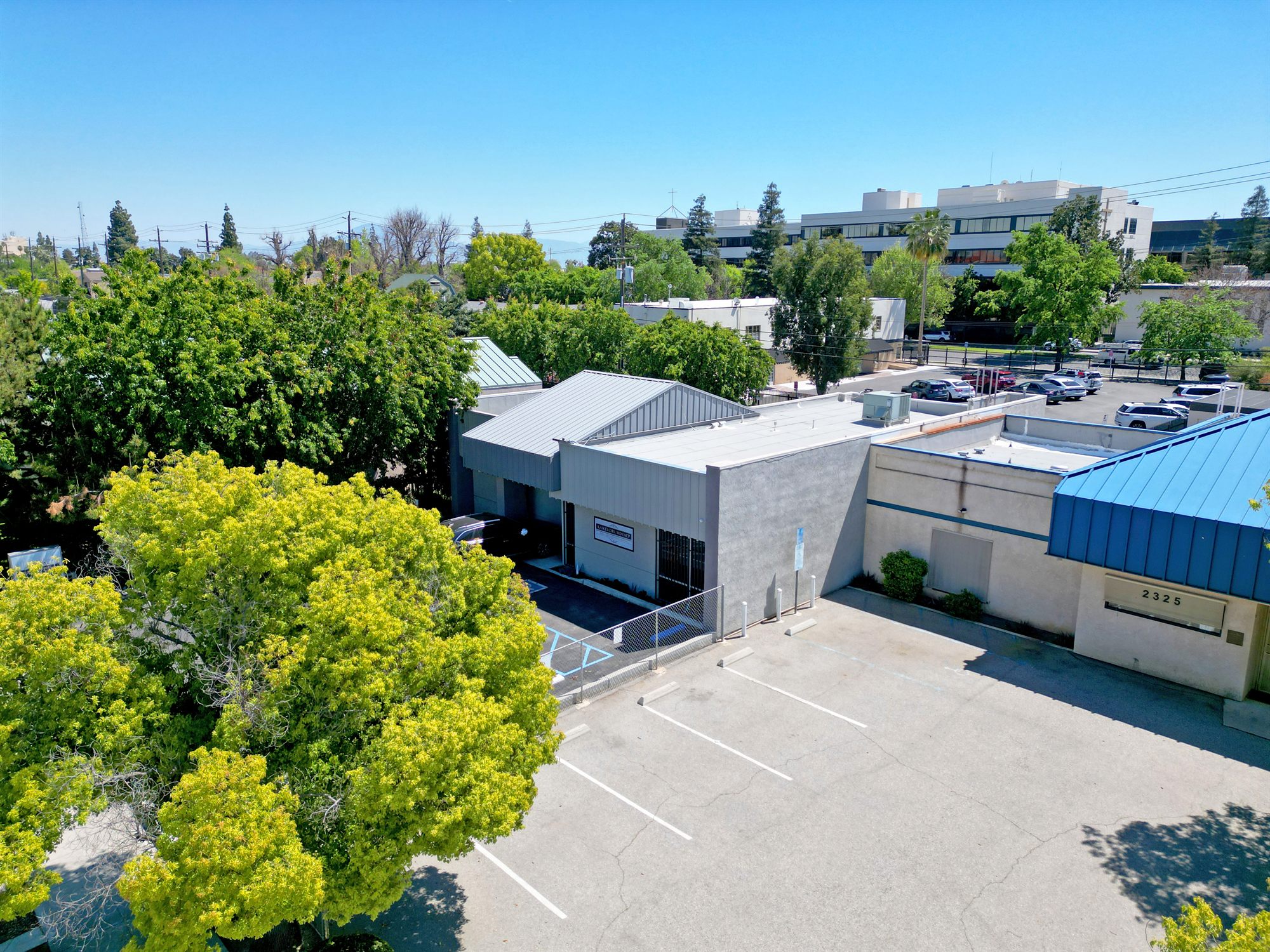
From signed offer to recorded deed: how California commercial deals are papered, which deadlines can cost you your deposit and what shows up on the closing statement.
The commercial real estate escrow process in California starts when buyer and seller sign a purchase agreement, often the AIR CRE form, which doubles as escrow instructions. A neutral escrow holder takes the deposit, the buyer clears written contingencies by their deadlines, and the deal closes on a set date with title insurance, prorations and a recorded deed.
Key takeaways
- In many California commercial deals the purchase agreement is also the escrow instructions, so every date and cost allocation in it binds escrow.
- Under a publicly filed version of the AIR purchase form, a buyer who does not disapprove a contingency in writing on time is conclusively presumed to have approved it.
- The AIR form ties the closing date to a number of days after the buyer’s contingencies are waived or expire, so contingency timing drives the whole schedule.
- Liquidated damages and arbitration clauses in the AIR form apply only if both parties initial them.
- Expect California withholding of 3 1/3% of the sales price unless the seller qualifies for an exemption on Form 593. The buyer also receives a supplemental property tax bill after closing.
How does the commercial real estate escrow process work in California?
Escrow is a neutral holding arrangement. An escrow holder, usually a title company’s escrow department or an independent escrow company, takes the deposit, collects signed documents and loan funds, records the deed and pays out money under written instructions. The title company issues the policy.
In California commercial sales, those instructions often start with the purchase agreement itself. AIR CRE’s form is titled the Standard Offer, Agreement and Escrow Instructions for Purchase of Real Estate, and once signed it goes to escrow as the parties’ instructions (AIR form OFA-5-3/04E, as filed with the SEC). Escrow then adds its own general provisions, which sit alongside the purchase agreement’s terms.
The escrow holder does not represent either side. It follows instructions. If the parties dispute the deposit, escrow usually holds the money until both sign a release or a court or arbitrator decides.
What goes into a California commercial purchase contract?
An AIR CRE form and an attorney-drafted agreement cover the same ground. These are the terms that matter most on an industrial purchase:
| Term | What it does | What to watch |
|---|---|---|
| Price and deposit | Sets the price, the deposit amount and when it goes to escrow | Delivery deadline; when the deposit turns non-refundable or is released to the seller |
| Financing | Describes any new loan and whether financing is a contingency | Loan-to-value and rate assumptions that match a real lender quote |
| Buyer contingencies | Gives separate approval rights for disclosure, inspection, environmental, title, survey, leases and more | Each deadline, and whether silence means approval or disapproval |
| Closing date | Often set as a number of days after contingencies are waived or expire | How extensions work and who controls them |
| Title insurance | Standard owner’s policy, with an option for ALTA extended coverage | Who pays the extra premium; a survey is needed for extended coverage |
| Prorations | Splits taxes, rents, deposits and operating costs at closing | Which tax bill is used and how supplemental taxes are handled |
| Liquidated damages and arbitration | Caps the seller’s remedy at the deposit; sends disputes to arbitration | In the AIR form, effective only if both parties initial them |
| 1031 exchange cooperation | Each party agrees to cooperate with the other’s exchange | Cost and liability stay with the party doing the exchange |
What contingencies protect a buyer?
A contingency is a condition the buyer must approve before it is bound to close. A publicly filed version of the AIR form lists disclosure, physical inspection, hazardous substance conditions, soil inspection, governmental approvals, conditions of title, survey, existing leases and tenancy statements, other agreements, financing, existing notes and personal property. Each carries its own deadline.
The default matters. That form says that if the buyer fails to notify escrow in writing of disapproval within the time specified, “it shall be conclusively presumed that Buyer has approved” the item. Some buyers negotiate the opposite rule by addendum, so that silence means disapproval. Which rule applies depends on the contract, and each deadline runs on its own clock.
Use the contingency period for the real work: title review, the Phase I environmental site assessment, a property condition report, a zoning check, lease review with tenant estoppel certificates and loan approval. Our due diligence checklist covers what to order.
Remove contingencies the way you would disapprove them: in a signed writing delivered to escrow and the seller. You can approve some items and keep others open, or approve an item on a condition, such as the seller clearing an old lien before closing. Put any change to price, credits or dates in a signed amendment so escrow can act on it.
How is commercial escrow different from residential escrow?
Commercial escrow leans on the contract and the buyer’s own investigation, because far fewer statutory disclosure forms apply than on a home sale. One disclosure does apply. An owner of nonresidential property who knows or has reasonable cause to believe a hazardous substance release occurred must give the buyer written notice before the sale (Health and Safety Code section 78700, formerly section 25359.7).
Commercial deals also bring moving parts a house rarely has: tenant leases, entity buyers and sellers, lender third-party reports, 1031 exchanges on one or both sides and sometimes a seller leaseback. Each adds documents escrow must collect, and each is a place where a deadline can slip.
What does a commercial escrow timeline look like?
No standard schedule exists. Every date comes from the contract. The table shows one example for a financed purchase of a Bakersfield industrial building, with contingency periods chosen to fit the reports the buyer needs. The days are illustrative, not market norms for Kern County.
| Day (example) | Milestone | Who acts |
|---|---|---|
| 0 | Purchase agreement signed; escrow opened with a title company | Buyer, seller, brokers |
| 2 | Deposit delivered to escrow | Buyer |
| 5 | Seller delivers disclosures, leases, reports and operating statements | Seller |
| 10 | Preliminary title report reviewed; title objections sent | Buyer and title officer |
| 30 | Physical, environmental, governmental and lease contingencies approved in writing | Buyer |
| 45 | Financing contingency approved; deposit becomes at risk | Buyer and lender |
| 75 | Closing 30 days after contingency removal: loan funds, deed records, keys transfer | Escrow, lender, title company |
| After closing | Preliminary Change of Ownership Report processed; supplemental tax bill issued | County assessor and tax collector |
What happens to the earnest money deposit?
The deposit is generally refundable during the contingency period if the buyer disapproves a contingency in time. After the buyer approves or waives contingencies, the deposit is at risk if the buyer fails to close.
If both parties initialed the AIR form’s liquidated damages paragraph, the deposit becomes the seller’s agreed remedy for a buyer default after contingencies are removed. If they did not, that paragraph does not apply, and the seller’s remedies are whatever the law and the rest of the contract allow.
Deposit releases are a known pressure point. Some sellers ask for the deposit once contingencies are removed. That money then sits outside escrow, so buyers often push back or require protections in case the seller later defaults.
What closing costs and tax items show up at closing?
Closing costs come from the contract and the escrow instructions, and several tax items hit the statement automatically.
- Title insurance: the contract states the policy type and who pays. Under the AIR form, the buyer can elect ALTA extended coverage, which typically requires a survey and an extra premium.
- Escrow fees, recording fees and documentary transfer tax: the contract and instructions allocate these. Kern County’s recorder lists its documentary transfer tax at 55 cents per $500, and a city inside the county may add its own.
- Property tax proration: escrow usually prorates using the most recent tax bill, which may be last year’s if the new bill has not been issued.
- Supplemental tax: a purchase is a change in ownership under Prop 13, so the county issues a supplemental bill to the new owner. The Kern County Treasurer and Tax Collector mails these directly to the owner, so they are not paid through a lender impound account.
- California withholding: escrow withholds 3 1/3% of the sales price on Form 593 unless the seller certifies an exemption or elects an alternative calculation based on gain (FTB Form 593 instructions). A qualifying 1031 exchange is exempt at the initial transfer.
- Federal withholding: if the seller is a foreign person, the IRS FIRPTA rules generally require withholding of 15% of the amount realized, subject to exceptions.
- Rents and deposits: on a leased building, the seller credits the buyer for tenant security deposits and prepaid rent.
What delays commercial closings, and how do you avoid them?
Most delays come from third parties and paperwork. These five cause the most trouble:
- Lender conditions: appraisal, environmental and survey requirements land late. A lender can supply its full checklist on day one.
- Estoppels and SNDAs: tenants are slow to sign. Requests sent early give tenants more time, and each lease sets what the tenant must deliver.
- Title clean-up: old deeds of trust, mechanics’ liens or missing easement documents need time to clear.
- Environmental follow-up: a Phase II can add weeks. Extensions must be requested in writing before deadlines pass.
- Entity paperwork: a purchase or sale through an LLC requires formation documents and signing authority that escrow and title will review.
Wire fraud is a separate risk. Scammers typically send fake wiring instructions by email, so phone verification with a known escrow officer is the standard safeguard before funds move.
How can sellers keep escrow on schedule?
Sellers control more of the timeline than they think, because most delays come from documents the buyer is waiting on. Assemble them before you list:
- A due diligence package: leases and amendments, rent roll, operating statements, tax bills, service contracts, permits, plans, warranties and any prior environmental or roof reports.
- An early title report: order a preliminary report before marketing and clear old loans, liens or easement questions while you have time.
- Tenant cooperation: leases set what tenants must sign and how fast, and early notice that estoppels are coming helps.
- Your own 1031 plan: if you are exchanging, engage a qualified intermediary before closing and start looking for replacement property early.
Example: closing a $5.2 million warehouse purchase in Bakersfield
Assume a buyer purchases a 40,000-square-foot Bakersfield warehouse for $5,200,000 and closes on Sept. 30, 2026. The seller’s assessed value is $2,600,000. The 2026-27 tax bill has not been issued, so escrow prorates using the most recent annual tax of $30,258, based on the 1.163785% rate for Bakersfield tax rate area 001-001 in 2025-26, according to the Kern County Auditor-Controller.
No 2026-27 installment has been paid, so the seller owes the buyer for July 1 through Sept. 30, or 92 days: $30,258 x 92/365 comes to about $7,627, shown as a credit to the buyer.
After closing, the buyer’s new assessed value of $5,200,000 takes effect Oct. 1. The county then issues a supplemental bill for the remaining nine months of the fiscal year, about $22,694.
The seller is an individual with no withholding exemption, so escrow withholds 3 1/3% of $5,200,000, or about $173,333, on Form 593 and sends it to the Franchise Tax Board, which credits it against the seller’s California tax. Title, escrow, recording and transfer tax amounts come from the title company’s quote and the contract’s allocation. All figures are illustrative.
| Item | Amount | Effect |
|---|---|---|
| Purchase price | $5,200,000 | Charged to buyer, credited to seller |
| Property tax proration, July 1 to Sept. 30 | About $7,627 | Credit to buyer, charge to seller |
| California withholding (Form 593) | About $173,333 | Withheld from seller proceeds |
| Supplemental tax after closing | About $22,694 | Billed later to buyer; not on closing statement |
Frequently asked questions
How long does commercial escrow take in California?
It depends on the contract. Many agreements, including the AIR CRE form, set closing a number of days after the buyer’s contingencies are waived or expire. That makes the length of the contingency periods the main driver. A cash purchase with short contingencies can close quickly, while a financed deal with environmental follow-up or tenant estoppels takes longer.
Is the deposit refundable in a commercial purchase?
Generally yes, as long as the buyer still has open contingencies and disapproves in writing on time. After the buyer approves or waives them, the deposit is at risk if the buyer fails to close. When both parties initialed a liquidated damages clause, the deposit is usually the seller’s agreed remedy for that default.
What happens if I miss a contingency deadline?
Under a publicly filed version of the AIR CRE form, silence counts as approval: a buyer who does not deliver written disapproval to escrow on time is conclusively presumed to have approved. That can put the deposit at risk. Some contracts reverse the rule, and extensions need to be in writing before the deadline passes.
Who pays title and escrow fees on a commercial sale?
Whoever the contract says. The purchase agreement and escrow instructions allocate the owner’s title policy, any ALTA extended coverage premium, escrow fees, recording fees and documentary transfer tax. Under the AIR form, a buyer who wants extended coverage typically pays the added premium and the survey. Local custom varies.
What is California Form 593 withholding?
Form 593 reports the amount escrow withholds from a seller of California real property, generally 3 1/3% of the sales price, and sends to the Franchise Tax Board as a prepayment of the seller’s tax. Sellers can claim an exemption or elect an amount based on estimated gain. A qualifying 1031 exchange is exempt at the initial transfer, though cash or other non-like-kind property received above $1,500 can be withheld on.
Do I have to agree to liquidated damages or arbitration?
No. In the AIR CRE purchase form, those paragraphs bind the parties only if both initial them. Liquidated damages cap the seller’s recovery at the deposit if the buyer defaults, which many buyers want. Arbitration is a separate choice.
Why did I get another property tax bill after closing?
California reassesses property at a change in ownership. The county then bills the new owner a supplemental amount covering the difference between old and new assessed values for the rest of the fiscal year. In Kern County that bill comes directly to the owner, not through a lender impound account, so buyers need cash set aside at closing. A CPA or attorney can model these tax items against a specific deal.
If you are buying or selling an industrial property in Bakersfield or anywhere in Kern County, we can help you set contingency periods that fit the property and keep escrow on schedule. Call Kern CRE at 855-KERN-CRE (855-537-6273) or contact us. Get Kern County CRE news monthly: subscribe to the Kern CRE report.
Sources
- U.S. Securities and Exchange Commission (exhibit filing, Resources Connection Inc.), AIR Standard Offer, Agreement and Escrow Instructions for Purchase of Real Estate (Form OFA-5-3/04E), January 2006.
- U.S. Securities and Exchange Commission (exhibit filing, Unico American Corp.), AIR CRE Standard Offer, Agreement and Escrow Instructions for Purchase of Real Estate (Non-Residential), executed agreement with addendum, October 2020.
- California Franchise Tax Board, 2025 Instructions for Form 593, Real Estate Withholding Statement, 2025.
- Kern County Treasurer and Tax Collector, Supplemental Taxes.
- Kern County Assessor-Recorder, Supplemental Assessments and Supplemental Tax Bills.
- County of Kern Auditor-Controller, County of Kern Tax Rates and Assessed Valuations 2025-2026, 2025.
- Kern County Assessor-Recorder, Document Recording (documentary transfer tax).
- Internal Revenue Service, FIRPTA withholding.
- Legal Information Institute, Cornell Law School, 26 U.S. Code 1031.
- California Health and Safety Code, Section 78700 (formerly section 25359.7).
About this article
Kern CRE prepared this article with help from AI research and writing tools. An editor reviewed the draft, checked its facts against the sources linked above and edited it for accuracy and clarity. It is general information, not legal, tax, investment or financial advice; talk with a qualified professional about your situation, and have an attorney review any purchase agreement, especially addenda, liquidated damages and arbitration clauses.