
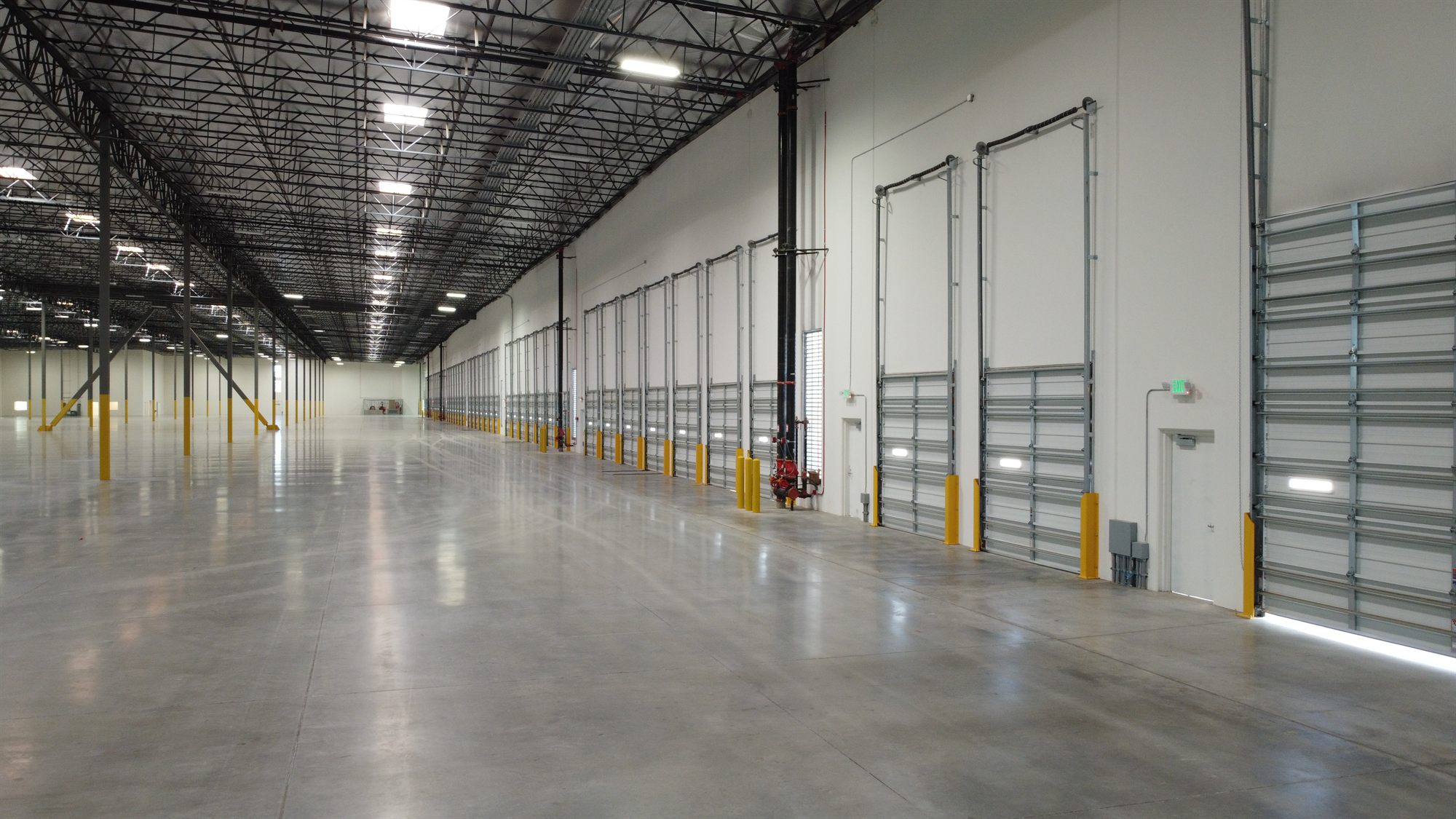
Large California buildings have reported energy use to the state every June 1 for years. Now the biggest tenants face their own climate disclosure deadlines, and a statewide building performance standard is on the table.
The AB 802 energy benchmarking California owners must file comes from Assembly Bill 802 (2015), run by the California Energy Commission (CEC). Owners of commercial buildings over 50,000 square feet, and of multifamily buildings that size with 17 or more utility accounts, report whole-building energy use through ENERGY STAR Portfolio Manager by June 1 each year. Separately, SB 253 and SB 261 require large companies to disclose emissions and climate risk.
AB 802, SB 253 and SB 261 at a glance
| Item | Detail |
|---|---|
| Benchmarking law | Assembly Bill 802 (Williams, 2015); CEC regulations in Title 20, Division 2, Chapter 4, Article 9 |
| Who must benchmark | Commercial buildings over 50,000 SF with no residential utility accounts; multifamily over 50,000 SF with 17 or more utility accounts; buildings used mostly for manufacturing or industrial purposes are excluded |
| Deadline and tool | June 1 each year, through ENERGY STAR Portfolio Manager; results posted to a public CEC dashboard |
| Compliance today | Around 50% of covered buildings report, according to the CEC’s July 2026 draft strategy report |
| What is next for buildings | CEC draft strategy (SB 48, 2023) recommends a statewide building performance standard for buildings over 50,000 SF with 2045 targets; would likely need new legislation |
| SB 253 | Companies with over $1 billion in revenue doing business in California: Scope 1 and 2 emissions due Nov. 10, 2026; Scope 3 phase-in proposed for 2027 |
| SB 261 | Companies with over $500 million in revenue: biennial climate-risk reports; enforcement paused by a Ninth Circuit injunction since Nov. 18, 2025 |
| Administered by | California Energy Commission (benchmarking); California Air Resources Board (SB 253 and SB 261) |
| Status | Benchmarking in force; CARB rules approved Feb. 26, 2026 with first reports due Nov. 10, 2026; SB 261 appeal pending |
Key takeaways
- Under AB 802, owners of California commercial buildings over 50,000 square feet must benchmark whole-building energy use in ENERGY STAR Portfolio Manager and report it to the CEC by June 1 every year.
- The CEC’s July 2026 draft Building Energy Performance Strategy Report says only around 50% of roughly 50,000 covered buildings comply. It plans more enforcement and cites penalties of up to $2,000 per day.
- The same draft recommends a statewide building performance standard for buildings over 50,000 square feet, with five-year compliance periods and final targets in 2045. It says the standard will likely require new legislation.
- CARB moved the first SB 253 Scope 1 and Scope 2 emissions deadline from Aug. 10 to Nov. 10, 2026, with no third-party assurance required for the 2026 reporting year.
- SB 261 climate-risk reporting for companies over $500 million in revenue has been on hold since the Ninth Circuit granted an injunction pending appeal on Nov. 18, 2025.
What is the AB 802 energy benchmarking California owners must file?
It is an annual report of a building’s total energy use, due to the CEC by June 1. Assembly Bill 802, signed in 2015, created California’s Building Energy Benchmarking Program. Benchmarking means measuring a building’s energy use over a year and comparing it with similar buildings, using the U.S. EPA’s free ENERGY STAR Portfolio Manager tool.
According to the CEC’s program page, the requirement covers commercial buildings with more than 50,000 square feet of gross floor area and no residential utility accounts. It also covers multifamily buildings of that size with 17 or more utility accounts. Reports are due every year by June 1, and the CEC posts building-level results on a public dashboard.
The regulations add a carve-out that matters to industrial owners. Under Title 20, section 1681, a “Disclosable Building” excludes any building in which more than half of the gross floor area is used for “scientific experiments requiring controlled environments, or for manufacturing or industrial purposes.” The regulations rest on Public Resources Code section 25402.10, the section AB 802 created.
Benchmarking is a reporting duty, not a performance mandate. A covered building must measure and disclose, not hit a target. That may change.
How does annual benchmarking work for a building owner?
The owner files, and the practical work is collecting 12 months of whole-building energy data. That means every electric and gas meter serving the building, including meters in tenants’ names. AB 802 was written so utilities can supply aggregated whole-building usage data to owners, which spares a landlord of a multi-tenant building from collecting each tenant’s bills.
The owner or a consultant then enters the building’s characteristics and energy data in Portfolio Manager, generates the state report and submits it to the CEC through the tool by June 1. Owners in cities with their own benchmarking ordinances may report locally instead, as the CEC program page notes.
Deadlines can move in emergencies. A May 1, 2026 letter in the CEC’s rulemaking docket 25-OIR-01 extended the 2025 benchmarking deadline for Los Angeles and Ventura counties.
Is benchmarking enforced, and what is changing?
Enforcement has been light, and the CEC says so. Its July 2026 draft strategy report states that reporting compliance “stands at around 50 percent” among roughly 50,000 covered buildings, which it says limits its analysis. The CEC says it will “increase enforcement of the benchmarking requirements” through warning notices, notices of violation and fines. It also says it can “seek penalties up to $2,000 per day for each category of missing data.” Those are the agency’s statements in a draft, and a final version may differ.
The rules themselves are under review. In September 2025 the CEC opened docket 25-OIR-01, titled “Building Energy Use Disclosure and Public Benchmarking Program mandated under Assembly Bill 802: Proposed Regulatory Language Changes.” It posted proposed changes to the Title 20 regulations and held a workshop in October 2025. The docket log shows no adoption order, so the existing regulations still govern.
The larger change is a possible building performance standard (BPS). SB 48 (Becker, Chapter 378, Statutes of 2023) directed the CEC to prepare a Building Energy Performance Strategy Report, and the CEC posted the draft on July 7, 2026. It recommends a statewide BPS for commercial and residential buildings over 50,000 square feet already in the benchmarking program. Performance would be measured by energy use and direct on-site greenhouse gas emissions, with “mandatory compliance periods of five years” and “final performance targets in 2045 for each property type.”
The draft is explicit that “implementing a statewide BPS program will likely require future legislation,” because SB 48 did not give the CEC authority to carry it out. It also proposes periodic verification of benchmarking data by a licensed professional. It recommends keeping the state threshold at 50,000 square feet while encouraging cities to cover smaller buildings.
Benchmarking is spreading to water as well. The State Water Resources Control Board’s “Making Conservation a California Way of Life” regulation took effect Jan. 1, 2025. According to the State Water Board’s FAQ, it requires “each supplier to identify the ‘disclosable buildings’ in its service area,” the same term the CEC’s regulations use. Large-building owners should expect their water supplier, not just the CEC, to start asking about their properties.
What do SB 253 and SB 261 require, and where do they stand?
Both laws were enacted in 2023 and amended by SB 219 in 2024. They are company-level disclosure laws administered by the California Air Resources Board (CARB), so they apply to companies by revenue and by whether they do business in California, not to buildings. According to Mayer Brown’s August 2026 analysis, CARB ties “doing business” to Revenue and Taxation Code section 23101(b), applied entity by entity.
Benchmarking vs. climate disclosure: who reports what
| Item | AB 802 benchmarking | SB 253 (emissions) | SB 261 (climate risk) |
|---|---|---|---|
| Who is covered | Building owners: commercial over 50,000 SF; multifamily over 50,000 SF with 17+ accounts | Companies over $1 billion annual revenue doing business in California | Companies over $500 million annual revenue doing business in California |
| What is reported | Whole-building energy use via Portfolio Manager | Scope 1 and Scope 2 greenhouse gas emissions; Scope 3 later | Climate-related financial risk report |
| Agency | California Energy Commission | California Air Resources Board | California Air Resources Board |
| Next deadline | June 1 each year | Nov. 10, 2026 (Scope 1 and 2; no assurance for 2026) | On hold; CARB will set a date after the appeal |
| Status | In force; rule changes proposed, not adopted | CARB regulations approved Feb. 26, 2026 | Enjoined pending appeal since Nov. 18, 2025 |
CARB’s board approved initial regulations for both laws on Feb. 26, 2026, according to Alston & Bird’s tracker. Mayer Brown reports that CARB sent the package to the Office of Administrative Law on May 20, 2026, withdrew it on June 24 to make clarifying changes and moved the first Scope 1 and 2 deadline from Aug. 10 to Nov. 10, 2026. No third-party assurance is required for the 2026 reporting year, and CARB expects good-faith reporting using the best available data. CARB is to send fee-determination notices by Dec. 10, 2026, with payment due within 60 days.
Scope 3 (value-chain) emissions are not required for 2026. CARB has previewed a limited 2027 phase-in covering five Scope 3 categories (1, 3, 5, 6 and 7). It has also previewed limited assurance for Scope 1 and 2 starting in 2027, rising to reasonable assurance by 2030. Those are proposals for a later rulemaking.
On SB 261, the Ninth Circuit granted an injunction pending appeal on Nov. 18, 2025, in the U.S. Chamber of Commerce’s challenge and heard argument on Jan. 9, 2026. CARB said on Dec. 1, 2025 that it “will not enforce” the Jan. 1, 2026 SB 261 deadline. As of Mayer Brown’s Aug. 5, 2026 update, a merits decision was still pending. SB 253 was not enjoined.
Why do landlords and building owners need to care about SB 253?
Most Kern County building owners are not $1 billion companies, but many of their tenants are. A national retailer, grocer, logistics firm or manufacturer subject to SB 253 must report the electricity it buys (Scope 2) and the fuel it burns on site (Scope 1). The leased buildings it occupies are often a meaningful share of both.
When a tenant pays its own utilities on its own meters, it already has the data. When the landlord holds the master meter and bills back through CAM, or the lease is full-service or modified gross, the tenant needs the landlord’s data to report. Expect more requests for monthly kWh and therms by suite, and for lease clauses that require data sharing on a schedule. Our guide to NNN, modified gross and full-service leases explains who pays for utilities under each structure.
Owners benefit from the same data. Benchmarking results, tenant energy data and any planned performance standard all point toward green lease language: mutual data-sharing obligations, consent to pull utility data, cost allocation for efficiency upgrades that cut operating expenses, and confidentiality. Our guide to operating expense pass-throughs explains how upgrade costs typically flow through a lease.
How do these rules apply to Kern County buildings?
Any single-tenant or multi-tenant commercial building above 50,000 SF of gross floor area, whether warehouse, retail center or office, falls under the benchmarking rule unless the manufacturing exclusion applies. Kern’s industrial stock leans toward big buildings. National brokerage reports counted 67.4 million SF of Bakersfield industrial inventory in Q2 2026, and one tracks Bakersfield buildings of 50,000 SF and larger as its core industrial set.
The manufacturing exclusion matters here. A plant where more than half the floor area is used for manufacturing or industrial purposes falls outside the definition of a disclosable building. A storage or distribution building is its own property type in Portfolio Manager. The regulation does not mention warehouses by name, so this article treats distribution warehouses as covered. Mixed buildings, such as a processing plant with a large warehouse, depend on how the floor area is used.
Distribution warehouses are often simple to benchmark because they have few meters, but they are easy to forget because the tenant pays the utilities directly. The owner still carries the filing duty. Retail centers and multi-tenant industrial parks are harder, because the owner needs aggregated data across many tenant meters from PG&E or Southern California Edison and the gas utility.
What should Kern building owners do now?
- List every building you own over 50,000 SF of gross floor area and confirm whether it has residential accounts.
- Set up or update each building in ENERGY STAR Portfolio Manager and request aggregated whole-building data from the utilities well before June 1.
- Check past filings on the CEC public dashboard. A missing year is the most likely enforcement target as the CEC steps up.
- Identify tenants likely to exceed $1 billion (SB 253) or $500 million (SB 261) in revenue and plan how you will answer their data requests.
- Add data-sharing and utility-data consent language to new leases and renewals. Our CAM reconciliation guide shows how energy costs are billed back.
- Track the CEC’s 25-OIR-01 rulemaking, the final SB 48 strategy report and any 2027 legislation on building performance standards.
Owners weighing on-site generation can also read our guides to Title 24 solar requirements and NEM 3.0 commercial solar.
Worked example: a 300,000 SF Bakersfield warehouse leased to a national tenant (illustrative)
Assume a 300,000 SF single-tenant distribution building in Bakersfield with no residential accounts, leased NNN to a national company with more than $1 billion in revenue. The tenant holds the electric and gas accounts. The scenario is illustrative.
Benchmarking. The building exceeds 50,000 SF of gross floor area, so the owner must report it to the CEC by June 1 each year. The owner requests aggregated whole-building data from the utility (or the tenant’s consent and bills), enters it in Portfolio Manager and submits.
SB 253. The tenant, not the owner, files with CARB. For the 2026 reporting year it reports Scope 1 (for example, natural gas for space heat or propane forklifts) and Scope 2 (purchased electricity) across its California operations by Nov. 10, 2026, using good-faith data with no assurance required. Because it holds the meters, it already has this building’s data. In a gross lease, it would need the owner’s.
Lease. At renewal, both sides may want a clause requiring the tenant to share annual consumption for benchmarking and the owner to share any building-level data the tenant needs for its disclosures.
Frequently asked questions
Which California buildings must report under AB 802 energy benchmarking?
Commercial buildings with more than 50,000 square feet of gross floor area and no residential utility accounts must report. So must multifamily buildings over 50,000 square feet with 17 or more utility accounts. Owners file whole-building energy use through ENERGY STAR Portfolio Manager by June 1 each year, unless a qualifying local benchmarking ordinance applies instead.
What happens if a building owner does not file a benchmarking report?
The CEC’s July 2026 draft strategy report says only about half of covered buildings comply. The agency says it will step up enforcement with warning notices, notices of violation and fines, and it cites authority for penalties of up to $2,000 per day for each category of missing data. An owner who missed past years should file the back reports before enforcement ramps up.
Will California require existing buildings to meet energy performance targets?
Not yet. Under SB 48 (2023), the CEC’s July 2026 draft report recommends a statewide performance standard for buildings over 50,000 square feet, with five-year compliance periods and final targets in 2045. The CEC says carrying it out will likely take new legislation.
When are the first SB 253 emissions reports due?
Nov. 10, 2026. CARB moved the first Scope 1 and Scope 2 deadline from Aug. 10, and it applies to companies with more than $1 billion in annual revenue doing business in California. The 2026 reports need no third-party assurance, and Scope 3 reporting waits for a phase-in CARB has proposed for 2027.
Is SB 261 in effect?
The law is on the books, but enforcement is paused. The Ninth Circuit granted an injunction pending appeal on Nov. 18, 2025, and CARB said it will not enforce the Jan. 1, 2026 deadline for climate-risk reports. The court heard argument on Jan. 9, 2026. As of Mayer Brown’s August 2026 update the decision was still pending, and CARB will set a new date after the appeal is resolved.
Does SB 253 apply to landlords?
Only to landlords that are themselves companies with more than $1 billion in annual revenue doing business in California. Most Kern County owners fall below that line, but many of their tenants do not. Those tenants report emissions from the buildings they occupy and may ask landlords for energy data, especially where the landlord controls the meters.
Do warehouses have to be benchmarked in California?
Usually, if the building exceeds 50,000 square feet of gross floor area and has no residential accounts. The regulation excludes buildings where more than half the floor area is used for manufacturing or industrial purposes, so a production plant may fall outside the rule. Storage and distribution buildings are a separate Portfolio Manager property type, and owners carry the filing duty even when tenants pay the utilities.
If you own or lease large buildings in Kern County and want help thinking through benchmarking, tenant data requests or lease language, Kern CRE can point you to the right questions and professionals. Call Kern CRE at 855-KERN-CRE (855-537-6273) or contact us.
Get Kern County CRE news monthly: subscribe to the Kern CRE report.
Sources
- Building Energy Benchmarking Program, California Energy Commission.
- Docket 25-OIR-01: Building Energy Use Disclosure and Public Benchmarking Program, Proposed Regulatory Language Changes, California Energy Commission.
- California Building Energy Performance Strategy Report, California Energy Commission, draft posted July 7, 2026.
- Draft Commission Report: California Building Energy Performance Strategy Report (CEC-400-2026-007-CMD), California Energy Commission, July 2026.
- 20 CCR 1681, Definitions (Building Energy Use Data Access, Benchmarking, and Public Disclosure), Legal Information Institute, Cornell.
- California Climate Disclosure Laws: CARB Finalizes Its Initial Rulemaking, Resets the 2026 Deadline, and Previews the 2027 Framework, Mayer Brown, Aug. 5, 2026.
- California Climate Disclosures (ESG litigation and enforcement tracker), Alston & Bird.
- Making Conservation a California Way of Life Regulation: Frequently Asked Questions, State Water Resources Control Board, Sept. 26, 2025.
- Regional brokerage market reports (Bakersfield industrial, Q2 2026).
- Regional brokerage market reports (Central Valley industrial, Aug. 3, 2026).
About this article
Kern CRE prepared this article with help from AI research and writing tools. An editor reviewed the draft, checked its facts against the sources linked above and edited it for accuracy and clarity. It is general information, not legal, accounting or sustainability-reporting advice; the SB 253 and SB 261 rules and litigation are changing, so confirm your obligations with counsel or a qualified advisor.