
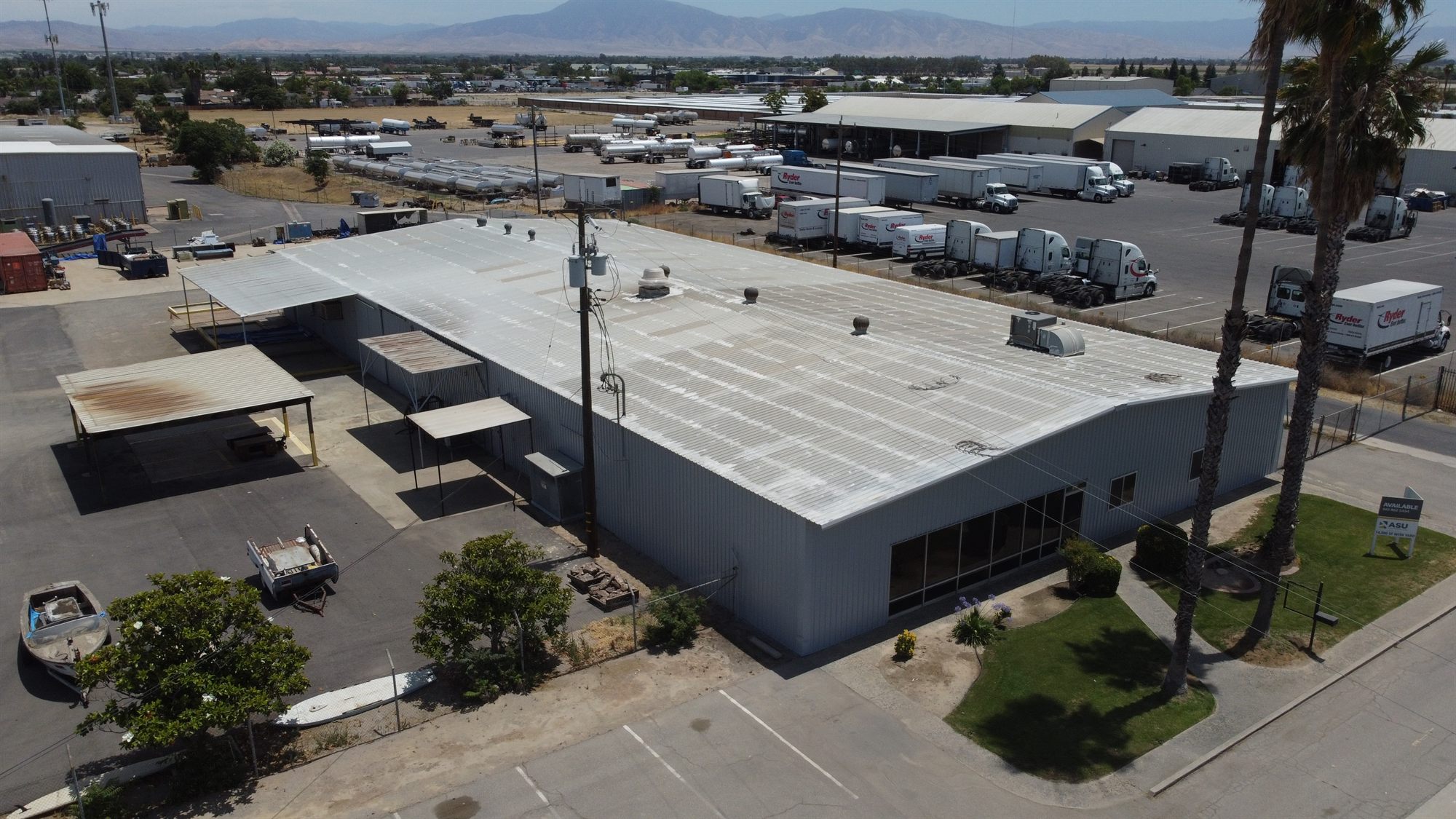
When your building sells or refinances, you will be asked to sign one or both. They look routine, but each can cost you money or rights if signed as drafted.
An estoppel certificate is a signed statement by a tenant confirming the key facts of its lease, such as rent, term, deposit and any defaults, that a buyer or lender can rely on. An SNDA is an agreement among tenant, landlord and lender that puts the lease behind the loan while protecting the tenant’s possession if the lender forecloses.
Key takeaways
- An estoppel certificate binds you to what it says. If you certify there are no defaults or credits, you may be barred from claiming them later.
- AIR CRE leases give tenants a short deadline to return an estoppel certificate. The 2015 single-tenant net form raises monthly base rent by 10% (or $100, if greater) when a tenant fails to deliver one.
- An SNDA should protect your possession, your options and your offsets if the lender takes over the building.
- AIR leases make subordination subject to a commercially reasonable non-disturbance agreement from the lender.
- Unpaid improvement allowances, free rent and your security deposit are the items most worth listing correctly.
What is an estoppel certificate and why are you being asked to sign one?
It is the way a buyer or lender hears the lease facts from the tenant instead of the landlord. They cannot simply rely on the landlord’s word about the leases they are buying or lending against. “Estoppel” is the legal principle that stops you from later contradicting facts you certified.
Requests usually arrive when the building is being sold or refinanced. Sales activity keeps them common in Kern County: a regional brokerage report put the average Bakersfield industrial sale price at $123 per square foot and the average cap rate at 7.23% in Q2 2026. In broker practice, buyers of leased industrial buildings routinely ask for tenant estoppels.
Many California industrial leases require you to sign one. AIR CRE publishes standard estoppel forms for both lessees and lessors, and buyers and lenders often send their own versions. For where estoppels fit in a purchase, see our due diligence checklist for industrial buyers and the guide to the escrow timeline.
What does a tenant estoppel certificate usually confirm?
It confirms the facts of your lease on a given date. Expect a one- to three-page document. Treat each line as a statement a buyer or lender will rely on. The table below reflects common practice rather than a specific AIR form.
Typical estoppel certificate items and what to check
| Item | What to check before signing |
|---|---|
| Lease documents and amendments | Every amendment, side letter and commencement memo is listed |
| Commencement and expiration dates | Dates match your records, including any extensions |
| Current monthly rent and rent paid through date | Amount and date are correct; no more than one month prepaid |
| Security deposit | Exact amount held; any letter of credit described |
| Landlord defaults or tenant claims | Any unpaid TI, unresolved repairs or CAM disputes are disclosed |
| Free rent or allowances still owed | Remaining abatement and unpaid allowances are stated |
| Options and rights | Renewal options, ROFR, ROFO and purchase rights are listed |
| Tenant defaults | Says “to tenant’s knowledge” rather than an absolute statement |
Our explainers on CAM reconciliations, tenant improvement allowances and renewal options, ROFR and ROFO cover the items that tend to cause trouble.
How fast do you have to return an estoppel certificate?
Quickly. The 2015 version of the AIR CRE single-tenant net lease, as filed with the U.S. Securities and Exchange Commission, requires each party to deliver an estoppel certificate within 10 business days after written notice. A 2017 summary of an AIR form read “10 days,” and current forms may differ. If the tenant misses the deadline, the requesting party may sign a certificate stating that the lease is in full force without modification, that there are no uncured landlord defaults to the tenant’s knowledge, and that no more than one month’s rent has been prepaid. Buyers and lenders may rely on it.
The same form adds a financial penalty. If the tenant fails to deliver a requested certificate on time, monthly base rent automatically rises by 10% of the existing base rent or $100, whichever is greater, for the rest of the lease. Forms and negotiated versions differ, so your own lease sets the terms. Do not let an estoppel sit on your desk.
What should you never sign in an estoppel certificate?
Never sign language that changes your lease or waives claims you have not had time to investigate. Buyers and lenders sometimes send certificates that go beyond confirming facts. Push back on these.
- Absolute “no defaults” statements. Certify “to tenant’s actual knowledge” and list any known issues.
- New obligations. An estoppel should confirm the lease, not amend it with new insurance, reporting or approval requirements.
- Waivers of CAM audit rights or year-end reconciliation claims you have not yet reviewed.
- Statements that the lease controls over “any other documents” when you have a side letter or amendment that matters.
- Blanket confirmation that improvements are complete and accepted if punch-list items or allowance payments remain open.
What is an SNDA and how does it protect a tenant?
SNDA stands for subordination, non-disturbance and attornment agreement. It is a three-way agreement among the tenant, the landlord and the landlord’s lender, and each word does a different job.
- Subordination: the lease ranks behind the lender’s deed of trust, so a foreclosure would normally wipe it out.
- Non-disturbance: the lender agrees that, if it forecloses, it will not terminate the lease or disturb your possession as long as you are not in default.
- Attornment: you agree to recognize the lender or foreclosure buyer as your new landlord.
How AIR CRE leases handle subordination
The AIR single-tenant net lease makes the lease subordinate to any deed of trust or other security device. That subordination is subject to the tenant receiving a commercially reasonable non-disturbance agreement from the lender. The agreement should protect the lease, including any options to extend, as long as the tenant is not in breach and attorns to the new owner. On the tenant’s request, the landlord must also use commercially reasonable efforts within 60 days after lease execution to obtain a non-disturbance agreement from any existing lender. That wording comes from the form AIR CRE posted in January 2021.
What a new owner may not be bound by
Under the AIR attornment provision, a new owner after a transfer or foreclosure is not liable for the prior landlord’s acts or omissions. It is not subject to offsets or defenses you had against the prior landlord, not bound by more than one month of prepaid rent, and not responsible for a security deposit it did not receive. Lender-drafted SNDAs typically include similar protections. That is why it matters what you list in the estoppel.
What should a tenant negotiate in an SNDA?
Lenders send their own SNDA forms and often say they are non-negotiable. Reasonable tenant requests are frequently accepted, especially from larger or longer-term tenants.
- Recognition of all your rights, including renewal options, expansion rights, ROFR, ROFO and any purchase rights.
- Credit for unpaid allowances and abatements, so the lender or new owner honors TI money and free rent you are owed, or lets you offset it against rent.
- Security deposit protection, or at least confirmation of where the deposit is held.
- Use of insurance and condemnation proceeds to restore the premises as the lease requires.
- Reasonable cure rights for the lender that do not suspend your remedies indefinitely.
Related reading: personal guarantees, security deposits and letters of credit and free rent and net effective rent.
How does California law treat your security deposit when a building sells?
The landlord must either transfer the deposit to the buyer or return it to you. California Civil Code section 1950.7 requires a commercial landlord whose interest ends, such as through a sale, to transfer the security deposit to the successor and notify the tenant, or to return it to the tenant. The transferee then takes on the landlord’s obligations for the deposit it receives.
The estoppel should list the deposit amount. If the deposit was not transferred at closing, the tenant’s claim may be against the former landlord rather than the new one.
What does an estoppel certificate protect in a 30,000 SF Bakersfield warehouse?
It can protect about $141,000 in this example. The numbers are hypothetical. A tenant leases 30,000 SF in a Bakersfield industrial park at $24,000 per month NNN, and the landlord is selling. The tenant is still owed $45,000 of its improvement allowance, has two months of free rent remaining and paid a $48,000 security deposit. The buyer’s form asks the tenant to confirm there are “no landlord defaults and no credits or offsets.”
If the tenant signs as drafted, it risks certifying away about $141,000 in value. Under AIR-style attornment language, a new owner is not bound by the prior landlord’s defaults or offsets and is not responsible for a deposit it did not receive. Listing each item correctly lets the buyer require the seller to cover them at closing.
Items to state in the estoppel (illustrative)
| Item | Amount | What to write |
|---|---|---|
| Unpaid TI allowance | $45,000 | Landlord owes tenant $45,000 under Section X of the lease |
| Remaining free rent | $48,000 | Two months of base rent abatement remain, months X and Y |
| Security deposit | $48,000 | Landlord holds a $48,000 cash security deposit |
| Total at risk if omitted | $141,000 |
Frequently asked questions
What is an estoppel certificate in commercial real estate?
It is a tenant’s signed statement of the lease facts, including rent, term, deposit, amendments, options and any defaults. Buyers and lenders rely on it when they purchase or finance a property. The tenant generally cannot later contradict what it certified, so accuracy matters.
Do I have to sign an estoppel certificate?
If your lease requires it, yes. Most commercial leases, including AIR CRE forms, require tenants to return one within a short period after the landlord asks. You can correct inaccurate statements and decline language that goes beyond the facts. Refusing outright can be a lease default or trigger penalties.
What happens if I do not return an estoppel certificate on time?
Under the 2015 AIR single-tenant net lease, the landlord may sign a certificate stating the lease is in full force with no landlord defaults, and buyers and lenders may rely on it. Monthly base rent also rises by 10% or $100, whichever is greater, for the rest of the lease. Other leases may treat the failure as a default.
What is the difference between an estoppel certificate and an SNDA?
An estoppel certificate is a snapshot of your lease facts for a buyer or lender. An SNDA is a lasting agreement with the landlord’s lender. It ranks your lease behind the loan, protects your possession if the lender forecloses and requires you to recognize a new owner. Lenders often request both in a financing.
Should a tenant sign an SNDA?
Usually yes, because the non-disturbance part protects your lease if the lender forecloses. Without it, foreclosure on a senior deed of trust could end a subordinate lease. A lender’s form may or may not recognize your options and offsets, and unfair terms can be negotiated before signing.
Can a landlord fill in an estoppel certificate for me?
Some leases allow it. The 2015 AIR single-tenant net lease lets the requesting party sign a certificate on limited points if the other party does not respond within 10 business days. Buyers and lenders may rely on that certificate, so a late response can leave inaccurate statements in place.
If your Kern County building is being sold or refinanced and you have been handed an estoppel certificate or SNDA, call Kern CRE at 855-KERN-CRE (855-537-6273) or contact us to check the business terms against your lease. For legal questions, involve your attorney early. Get Kern County CRE news monthly: subscribe to the Kern CRE report.
Sources
- Standard Industrial/Commercial Single-Tenant Lease, Net, Exhibit 10.4 (dated for reference April 23, 2015), Paragraph 16 Estoppel Certificates, AIR CRE (as filed with the U.S. Securities and Exchange Commission), 2021 filing.
- Standard Industrial/Commercial Single-Tenant Lease, Net, Paragraph 30 Subordination; Attornment; Non-Disturbance, AIR CRE, January 2021 posting.
- List of Contracts (Estoppel Certificate by Lessee; Estoppel Certificate by Lessor), AIR CRE.
- California Civil Code Section 1950.7, California Legislature (via Justia), 2025 code.
- Bakersfield, CA Industrial Market Overview, Q2 2026, Lee & Associates, July 2026.
About this article
Kern CRE prepared this article with help from AI research and writing tools. An editor reviewed the draft, checked its facts against the sources linked above and edited it for accuracy and clarity. It is general information, not legal, tax, investment or financial advice; talk with a qualified professional about your situation.