
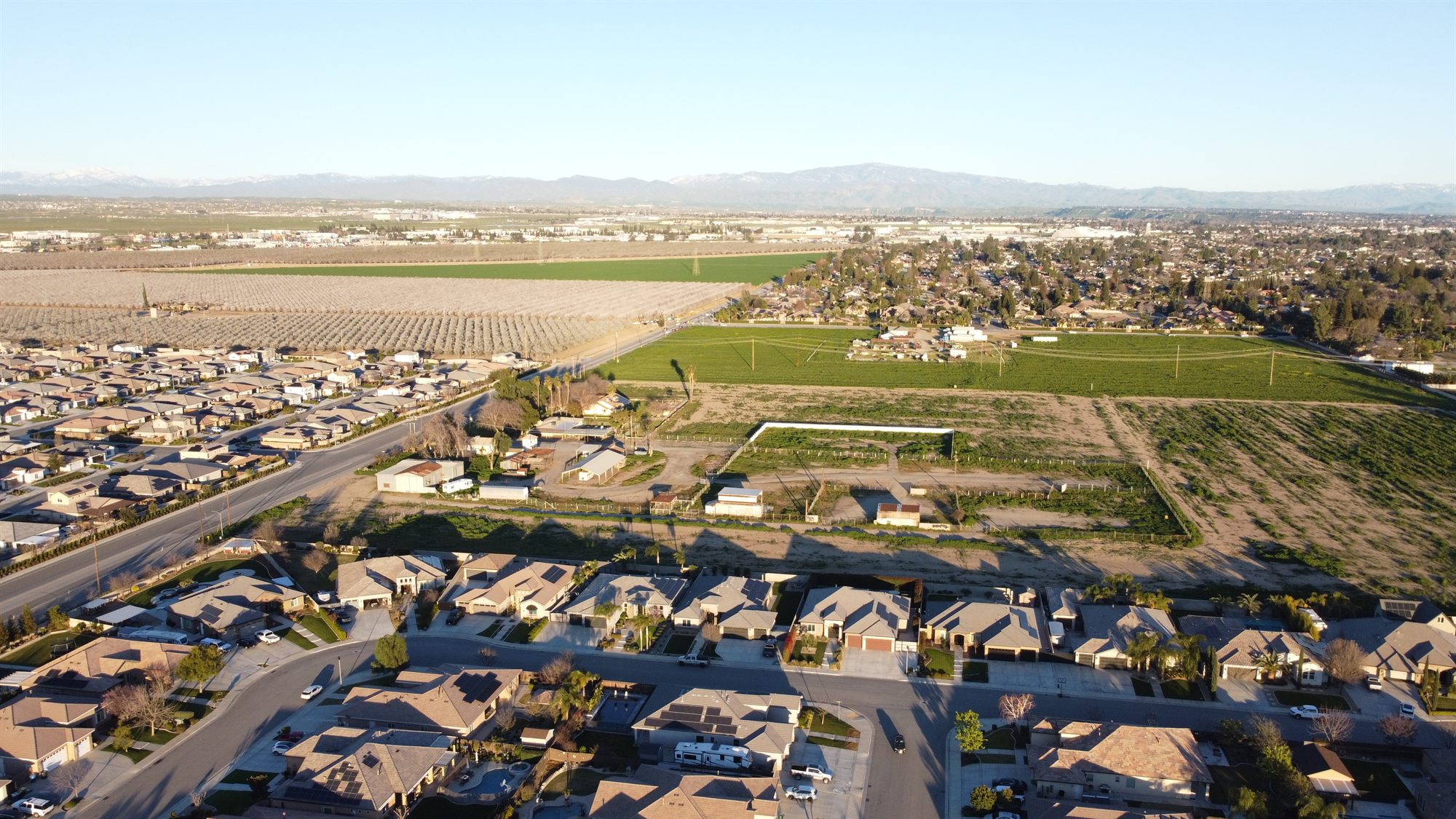
What the report covers, what it does not, how long it stays valid and how buyers and lenders use the findings on industrial property in Kern County.
A Phase I environmental site assessment reviews records, historical sources, a site visit and interviews to find evidence of contamination before you buy or lend on a property. It follows ASTM E1527-21, a standard from ASTM International, and does not sample soil or groundwater. Completed within 180 days of closing, it supports federal liability protections for buyers and shows whether a Phase II is needed.
Key takeaways
- A Phase I identifies recognized environmental conditions (RECs) through records review, historical research, a site visit and interviews. It does not test soil, soil vapor or groundwater.
- The U.S. Environmental Protection Agency (EPA) recognizes ASTM E1527-21 as meeting its All Appropriate Inquiries rule. Buyers need that rule to claim bona fide prospective purchaser, innocent landowner or contiguous property owner protection.
- Key components must be completed within 180 days before you acquire the property, and the whole inquiry within one year. A delayed closing can require an update.
- A REC usually leads to a Phase II with sampling. A controlled REC (CREC) means contamination remains under regulatory controls that will bind the new owner.
- Industrial sites in Kern County deserve extra attention to fuel tanks, clarifiers, truck maintenance areas, agricultural chemicals and oilfield history.
What is a Phase I environmental site assessment?
It is a noninvasive investigation of a property’s current and past uses, done by an environmental professional and documented in a written report. The goal is to find evidence that hazardous substances or petroleum products have been released.
Buyers order one for two reasons. First, federal Superfund law can make a property owner responsible for cleanup it did not cause. EPA’s All Appropriate Inquiries (AAI) rule is the path to landowner liability protection for bona fide prospective purchasers, innocent landowners and contiguous property owners. Second, lenders commonly ask for a Phase I before funding a loan on industrial property.
EPA recognizes two ASTM standards as satisfying AAI: ASTM E1527-21 for most commercial property and ASTM E2247-23 for forestland or rural property. EPA’s final rule recognizing E1527-21 took effect Feb. 13, 2023, and it phased out the older E1527-13 reference after a one-year transition. Reports on the old standard no longer qualify.
In a California purchase, the Phase I usually runs inside the hazardous substance contingency of the purchase agreement. That contingency often has its own deadline, so order the report the day you open escrow and tell the consultant when you need a draft. Our guides to the commercial purchase contract and escrow timeline and the due diligence checklist show where the Phase I fits.
What does a Phase I include?
Four types of information, followed by the consultant’s opinion on whether recognized environmental conditions exist. The buyer, called the “user,” also has duties, such as sharing specialized knowledge, searching for environmental cleanup liens and noting whether the price is below market because of contamination.
| Component | What the consultant does | What it can reveal on an industrial property |
|---|---|---|
| Records review | Searches federal, state, tribal and local environmental databases for the site and nearby properties | Permitted underground tanks, leak cases, hazardous waste generator status, cleanup sites next door |
| Historical research | Reviews sources such as aerial photographs, fire insurance maps, city directories and building records | A former fuel yard, oilfield service shop, ag chemical dealer or plating operation decades ago |
| Site reconnaissance | Walks the property and observes the interior, exterior and adjoining uses | Stained floors, floor drains, clarifiers, sumps, fill ports, vent pipes, drums, pole-mounted transformers |
| Interviews | Talks with the owner, occupants and, where useful, local agency staff | Past spills, removed tanks, prior tenants, open regulatory orders |
What do REC, CREC, HREC and de minimis mean?
They are the labels the report uses for its conclusions, and your lender will read that section first. ASTM E1527-21 defines a REC as the presence or likely presence of hazardous substances or petroleum products due to a release, or under conditions that pose a material threat of a future release. A de minimis condition is not a REC.
| Finding | Meaning | Typical next step |
|---|---|---|
| No RECs | No evidence of a release within the scope of the standard | Proceed; keep the report for your lender and records |
| REC | Release, likely release or material threat of release | Phase II sampling or further investigation before removing contingencies |
| Controlled REC (CREC) | Past release addressed to the regulator’s satisfaction, but contamination remains subject to controls such as a land use restriction | Closure documents and controls are weighed against the intended use and any expansion plans |
| Historical REC (HREC) | Past release addressed to the regulator’s satisfaction without required controls | Usually no further work; keep the closure letter |
| De minimis condition | Minor condition that generally would not be the subject of enforcement | Note it; often handled with housekeeping |
The CREC and HREC descriptions are plain-English paraphrases of the ASTM definitions, so the exact wording in a given report may differ.
How long is a Phase I good for?
The inquiry must be done within one year before you acquire the property. Several components must be completed or updated within 180 days before acquisition: interviews, the search for environmental cleanup liens, the review of government records, the site visit and the environmental professional’s declaration, per EPA.
Each component carries its own date, so the cover date alone does not show whether a report is current. If escrow drags, an update ordered before the 180-day mark avoids closing on a stale report. A report prepared for the seller or a prior buyer can be updated, but the buyer needs its own user questionnaire and, ideally, a reliance letter naming the buyer and its lender.
What does a Phase I not cover?
Items the standard treats as outside a basic Phase I. Common examples include asbestos-containing building materials, lead-based paint, radon, mold, wetlands and general regulatory compliance. If any matter to your use or your lender, add them to the scope in writing.
A Phase I also does not confirm whether a building’s operations comply with air, stormwater or hazardous materials permits, so an owner-user taking over a manufacturing or processing operation reviews those permits separately. Emerging contaminants such as PFAS are an evolving area.
When do you need a Phase II?
When the Phase I identifies a REC. A Phase II is a sampling investigation. The consultant drills or probes to collect soil, soil vapor or groundwater samples, then compares lab results with regulatory screening levels.
Phase II work takes time to scope, schedule, drill and wait on lab results, so it is best requested the moment the Phase I draft shows a REC. If the purchase contract’s hazardous substance contingency is short, an extension in writing before it expires keeps the buyer’s options open.
On an occupied warehouse, soil vapor sampling deserves a look. Solvents and petroleum under a slab can migrate as vapor into the building, which matters for worker exposure and for any future office build-out. Your consultant can tell you whether the REC points to a vapor pathway.
Results lead to one of four outcomes: no significant impact; a price reduction or credit; seller cleanup before closing, ideally with a regulatory closure letter; or walking away. Some buyers also use an escrow holdback or environmental insurance. Liability protections under federal law come with conditions. If contamination stays in place, talk with an environmental attorney about continuing obligations and any agreements with the regulator before you close.
What should Kern County industrial buyers watch for?
- Fuel and service history: truck yards, fleet shops and equipment dealers often had underground or aboveground tanks, in-ground lifts and clarifiers.
- Agricultural chemicals: pesticide and fertilizer storage, mixing and loading areas around Delano, Shafter, Wasco and Arvin can leave residues in soil. Our guide to cold storage and ag-industrial facilities covers those property types.
- Oilfield operations: the California Geologic Energy Management Division’s Well Finder maps oil and gas wells on or near a site, and the property history may show oilfield service uses.
- Cleanup records: your consultant should check the State Water Board’s GeoTracker and the Department of Toxic Substances Control’s EnviroStor, plus the local hazardous materials program for permits, inspections and tank records.
- Seller knowledge: California Health and Safety Code section 78700, operative Jan. 1, 2024, requires an owner of nonresidential property who knows or has reasonable cause to believe a hazardous substance release occurred to give the buyer, lessee or renter written notice before the transaction. It replaced the older section 25359.7.
- Yard and storage sites: open yards deserve the same scrutiny as buildings. See our explainer on industrial outdoor storage.
Who orders the Phase I, and should sellers and tenants get one too?
In a sale, the buyer normally orders and pays for the Phase I during due diligence, because the liability protections and the lender’s requirements belong to the buyer. On a financed deal, the lender may order the report through its own vendor and pass the cost to the borrower.
Sellers sometimes commission a Phase I before listing an older industrial property. It costs the seller up front, but it surfaces problems while there is still time to address them and gives buyers a head start. Buyers will still want an update and reliance in their own name.
Tenants should consider a baseline report too. If you are leasing a building where prior users handled fuel, solvents or chemicals, a Phase I at move-in documents conditions you did not cause. Many industrial leases make the tenant responsible for contamination it causes, and without a baseline it can be hard to prove what was already there when the lease ends.
How do you choose a consultant and use the report?
- Qualifications: EPA’s rule requires an environmental professional. That means a state license or certification plus 3 years of experience, a relevant bachelor’s degree plus 5 years, or 10 years of relevant full-time experience.
- Lender acceptance: ask your lender for its approved consultant list and report requirements before you order, so you pay for one report, not two. Lenders for SBA 504 and 7(a) loans set their own requirements.
- Reliance: make sure the report or a reliance letter names you, your entity and your lender.
- Data gaps: read the data gaps section. A significant gap, such as no access to part of the building, may need follow-up.
- Continuing obligations: the liability protections also require ongoing steps after closing, such as reasonable care with any known contamination and cooperation with regulators. If you plan to occupy the building, our owner-user playbook covers the wider process.
How does the timing work when escrow runs long?
Here is an illustrative case, with figures that are assumptions rather than market norms. A buyer is purchasing a 20,000 SF truck repair building on two acres in Bakersfield. The consultant completes the site visit and interviews on Feb. 2, 2026, and the records review on Feb. 5, 2026. The Phase I identifies one REC: a former in-ground hydraulic lift and a clarifier in the service bays.
The buyer orders a Phase II. Shallow soil samples near the clarifier show petroleum hydrocarbons above screening levels, and the consultant estimates excavation and disposal at an assumed $85,000. The buyer negotiates an escrow holdback of 150% of the estimate, or $127,500, released when the seller completes the work and the local agency issues closure.
The cleanup pushes closing to Sept. 10, 2026. That is 220 days after the Feb. 2 site visit and past the 180-day window, so the buyer orders an update of the site visit, interviews, records review, lien search and professional declaration before closing. The one-year outer limit, Feb. 2, 2027, is not an issue.
| Item | Date | Status at a Sept. 10, 2026 closing |
|---|---|---|
| Site visit and interviews | Feb. 2, 2026 | Outside 180 days (expired Aug. 1, 2026); update required |
| Government records review | Feb. 5, 2026 | Outside 180 days (expired Aug. 4, 2026); update required |
| One-year outer limit | Feb. 2, 2027 | Within limit |
| Estimated cleanup cost | $85,000 (assumed) | Escrow holdback of $127,500 at 150% |
Frequently asked questions
What is the difference between a Phase I and a Phase II environmental site assessment?
A Phase I reviews records, history, a site visit and interviews to spot possible contamination, and it involves no sampling. A Phase II collects soil, soil vapor or groundwater samples to confirm whether contamination exists and how much. Buyers usually order a Phase II only when the Phase I finds a REC.
Is a Phase I environmental site assessment required to buy commercial property?
No law forces a buyer to get one. Lenders often require it for industrial collateral, though, and it is the main route to federal landowner liability protection under EPA’s All Appropriate Inquiries rule. Skipping it can leave a buyer exposed to contamination caused by prior owners or neighbors.
How long is a Phase I ESA valid?
Plan on 180 days. Under EPA’s rule, interviews, the lien search, the government records review, the site visit and the professional’s declaration must be done or updated within 180 days before you acquire the property, and the whole inquiry within one year.
What is a recognized environmental condition?
A REC is the presence or likely presence of hazardous substances or petroleum products at a property because of a release, or conditions that threaten a future release. Under ASTM E1527-21, a de minimis condition, one that generally would not draw enforcement, does not count.
Can I use the seller’s existing Phase I report?
As a starting point, yes. You usually still need an update and a reliance letter, because the liability protections depend on your own inquiry, including your user questionnaire and lien search. Lenders typically want a report addressed to them from a consultant they accept.
Does a Phase I check for asbestos or mold?
Not by default. ASTM E1527-21 treats asbestos-containing materials, lead-based paint, radon, mold and wetlands as outside the basic scope. If they matter for your use, lender or renovation plans, add them to the consultant’s scope in writing before work starts.
Should a tenant get a Phase I before leasing an industrial building?
It is worth considering when prior occupants handled fuel, solvents, chemicals or heavy equipment. A baseline report documents existing conditions, which helps if the landlord later blames the tenant.
Environmental questions are common on older industrial property in Kern County, and most are solvable when they surface early. If you are buying a warehouse, yard or processing facility, we can help you build the Phase I into your contingency timeline. Call Kern CRE at 855-KERN-CRE (855-537-6273) or contact us. Get Kern County CRE news monthly: subscribe to the Kern CRE report.
Sources
- Brownfields All Appropriate Inquiries, U.S. Environmental Protection Agency.
- Standards and Practices for All Appropriate Inquiries, final rule, Federal Register (U.S. EPA), Dec. 15, 2022.
- E1527-21 Standard Practice for Environmental Site Assessments: Phase I Environmental Site Assessment Process, ASTM International, December 2021.
- California Health and Safety Code Section 78700, Justia.
- Well Finder, California Department of Conservation, Geologic Energy Management Division (CalGEM).
- GeoTracker, California State Water Resources Control Board.
- EnviroStor, California Department of Toxic Substances Control.
About this article
Kern CRE prepared this article with help from AI research and writing tools. An editor reviewed the draft, checked its facts against the sources linked above and edited it for accuracy and clarity. It is general information, not legal, tax, investment or financial advice; talk with a qualified professional about your situation.